THE UGC PLAYBOOK / GRANN
5 UGC Formats Every Brand Should Be Testing
Discover five effective UGC content formats for brands, from product demonstrations and testimonials to tutorials and storytelling.

Better content starts with better creative ideas
One of the biggest mistakes brands make when investing in UGC is assuming that one video format works for everything.
A product demonstration, a personal recommendation and an educational video might all feature the same product, but they serve very different purposes.
The key is creative variation.
A strong UGC strategy gives brands different ways to communicate their product, connect with audiences and test what works across social media and paid advertising.
Here are five formats worth exploring.
1. Product demonstrations
Show what the product actually does.
Product demonstration videos are among the most practical UGC formats, particularly for products that require explanation.
Instead of simply showing a product, the creator demonstrates how it works and what makes it useful.
Examples:
- How to use a new hair styling tool.
- How a kitchen appliance simplifies everyday cooking.
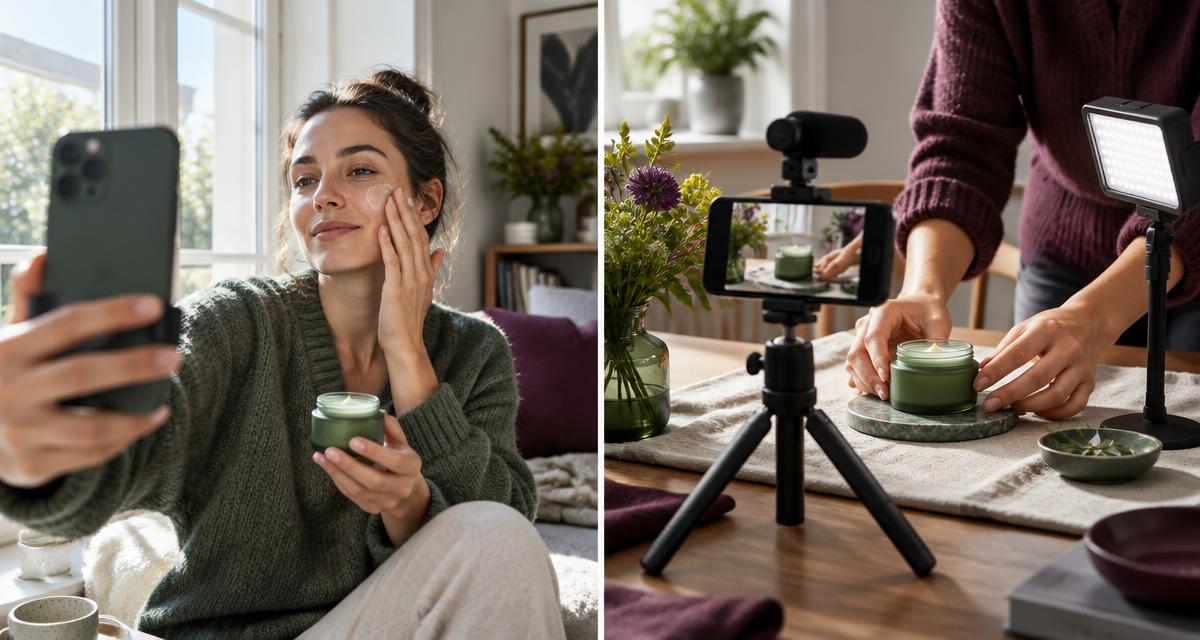
- How a skincare product fits into a morning routine.
- How a household product solves a common problem.
Why it works: People can see the product in action and better understand its practical value.
Best suited for: Beauty, haircare, home, electronics, kitchen and lifestyle brands.
Creative tip: Start with the result or the problem. Don't spend the first five seconds introducing the product.
2. Problem–solution videos
Start with something your audience recognises.
This format connects a common frustration with a relevant product or service.
The structure is simple:
- Introduce a relatable problem.
- Explain why it is frustrating.
- Present the product as a possible solution.
- Demonstrate the result.
For example:
- "I could never get my hair to hold a curl until I tried this."
- "My kitchen always felt cluttered, so I started using this."
- "I wanted an easier way to prepare weekday dinners."
The creator should communicate the experience naturally rather than delivering a scripted sales pitch.
Why it works: It gives audiences a reason to keep watching because the content begins with something relevant to them.
Best suited for: Beauty, household products, technology, food and wellness brands.
3. Personal recommendations and testimonials
Let people explain why they like something.
A personal recommendation can help audiences understand what makes a product worth considering.
But it needs to feel genuine.
Instead of asking a creator to say that a product is amazing, give them the opportunity to explain:
- What made them try it.
- What they noticed.
- How they use it.
- Who they think might benefit from it.
The difference is important.
A credible recommendation is specific. Generic praise is easily forgotten.
Why it works: Personal experiences can make product communication more relatable and informative.
Best suited for: Beauty, skincare, food, fashion, lifestyle and consumer products.
Creative tip: Ask creators for specific observations rather than generic positive statements. Claims must always be truthful and substantiated where required.
4. Tutorials and educational content
Give people something useful before asking them to buy.
Educational UGC focuses on helping the audience understand something.
Examples:
- Three ways to style the same jacket.
- How to build a simple skincare routine.
- How to prepare three meals using one product.
- What to consider before buying a new coffee machine.
- How to use a product more effectively.
This format can also work particularly well as a recurring content series.
Rather than commissioning one tutorial, brands can develop several episodes around a theme.
Why it works: Useful content gives people a reason to watch, save and share.
Best suited for: Beauty, fashion, food, home, technology and specialist consumer products.
5. Lifestyle and storytelling content
Show how a product fits into real life.
Not every UGC video needs to explain a product feature.
Sometimes the most effective approach is to show the context in which the product is used.
For example:
- A creator preparing for a weekend trip.
- A morning routine featuring a skincare product.
- A family cooking dinner together.
- A home transformation.
- A creator sharing their favourite everyday essentials.
The product becomes part of a story rather than the entire story.
Why it works: It allows audiences to imagine the product in their own lives.
Best suited for: Fashion, beauty, home, food, travel and lifestyle brands.
How to combine the five formats
The real opportunity comes when brands combine formats rather than relying on one creative approach.
Imagine a haircare brand launching a new styling product.
A single UGC production could include:
| Video | Format | Objective |
|---|---|---|
| 01 | Product demonstration | Explain functionality |
| 02 | Problem–solution | Address a customer need |
| 03 | Personal recommendation | Communicate experience |
| 04 | Tutorial | Provide practical value |
| 05 | Lifestyle story | Build product relevance |
Five different creative approaches. One product. Multiple opportunities to communicate.
These videos can then be tested organically and, where appropriate, through paid social campaigns.
Don't forget the first three seconds
The opening of a short-form video matters.
A good hook gives the audience a reason to continue watching.
Some examples:
- "I wish I had discovered this earlier."
- "Here's what I would do differently."
- "Three things I didn't know about this product."
- "If you struggle with this, watch."
- "Let me show you how I use this."
A hook should be relevant to the content that follows. Avoid clickbait that promises something the video doesn't deliver.
The GRANN perspective
A good UGC strategy is not about asking five creators to make five versions of the same advertisement.
It is about developing a range of creative concepts that communicate different aspects of a product.
At GRANN, we approach UGC with both creativity and commercial objectives in mind.
We help brands identify the right formats, work with relevant creators and develop content that can be used across organic social media and paid advertising.
The goal isn't more content. It's more useful content.